
Lausanne to Grand-St-Bernard Pass
Overview
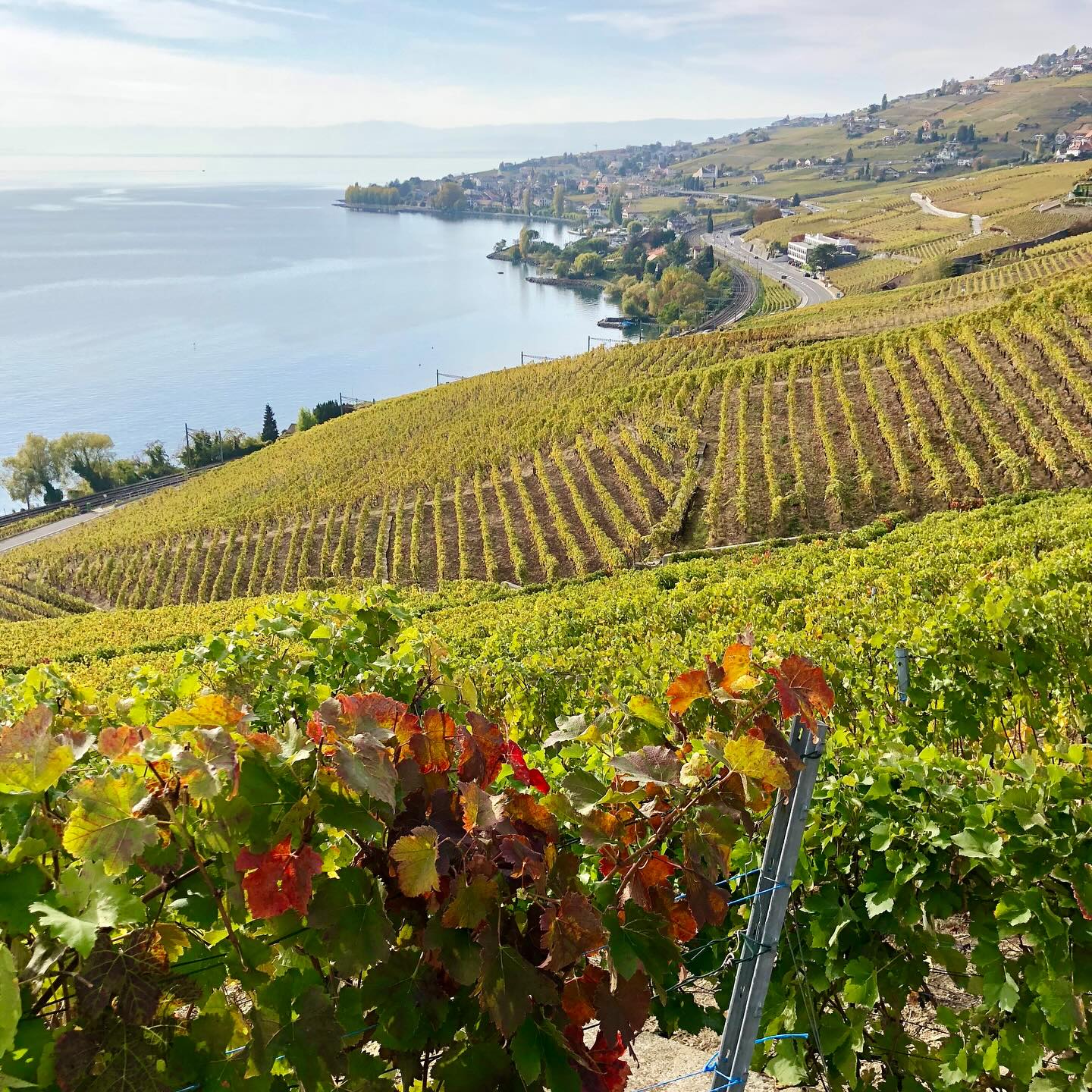
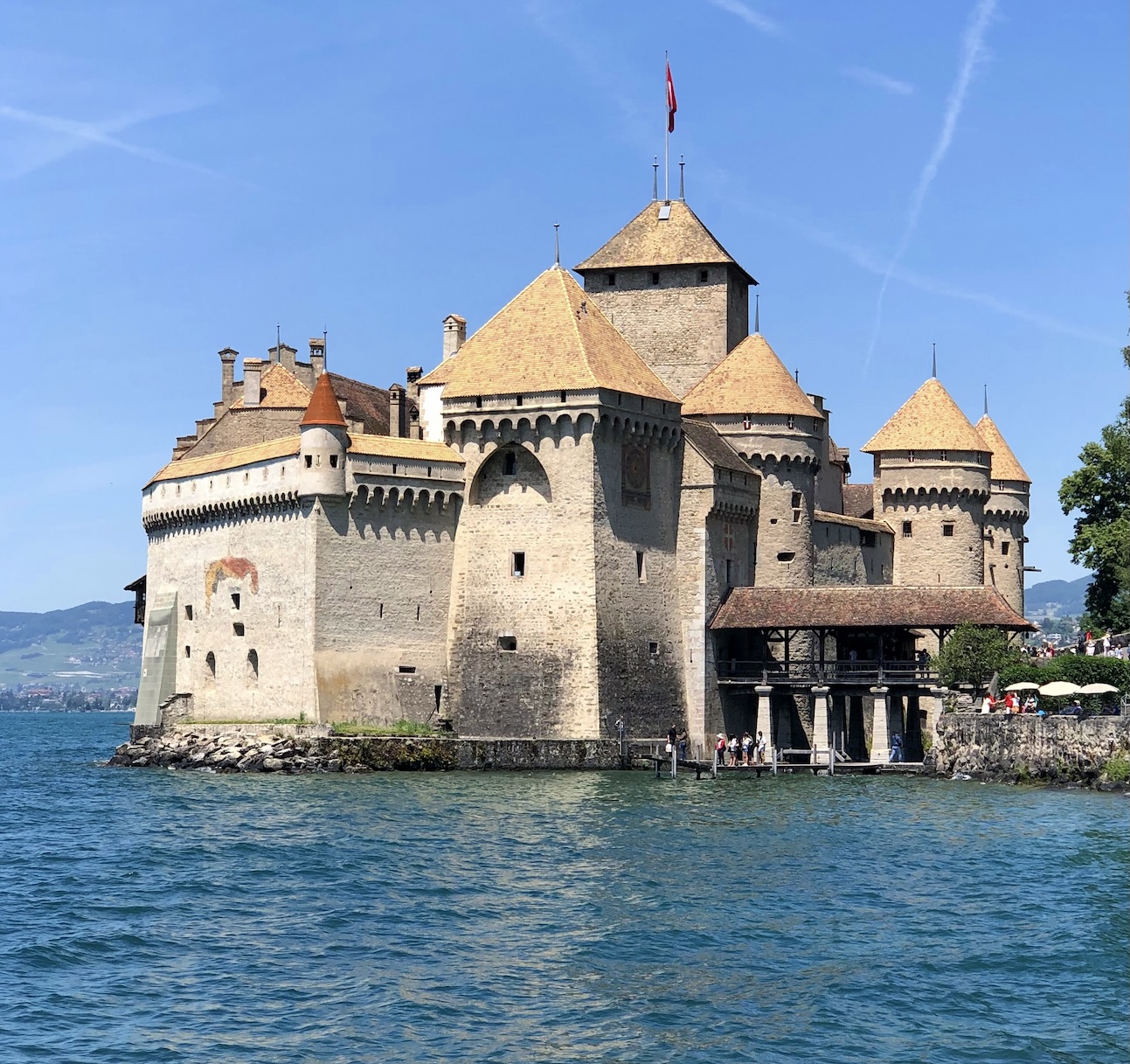
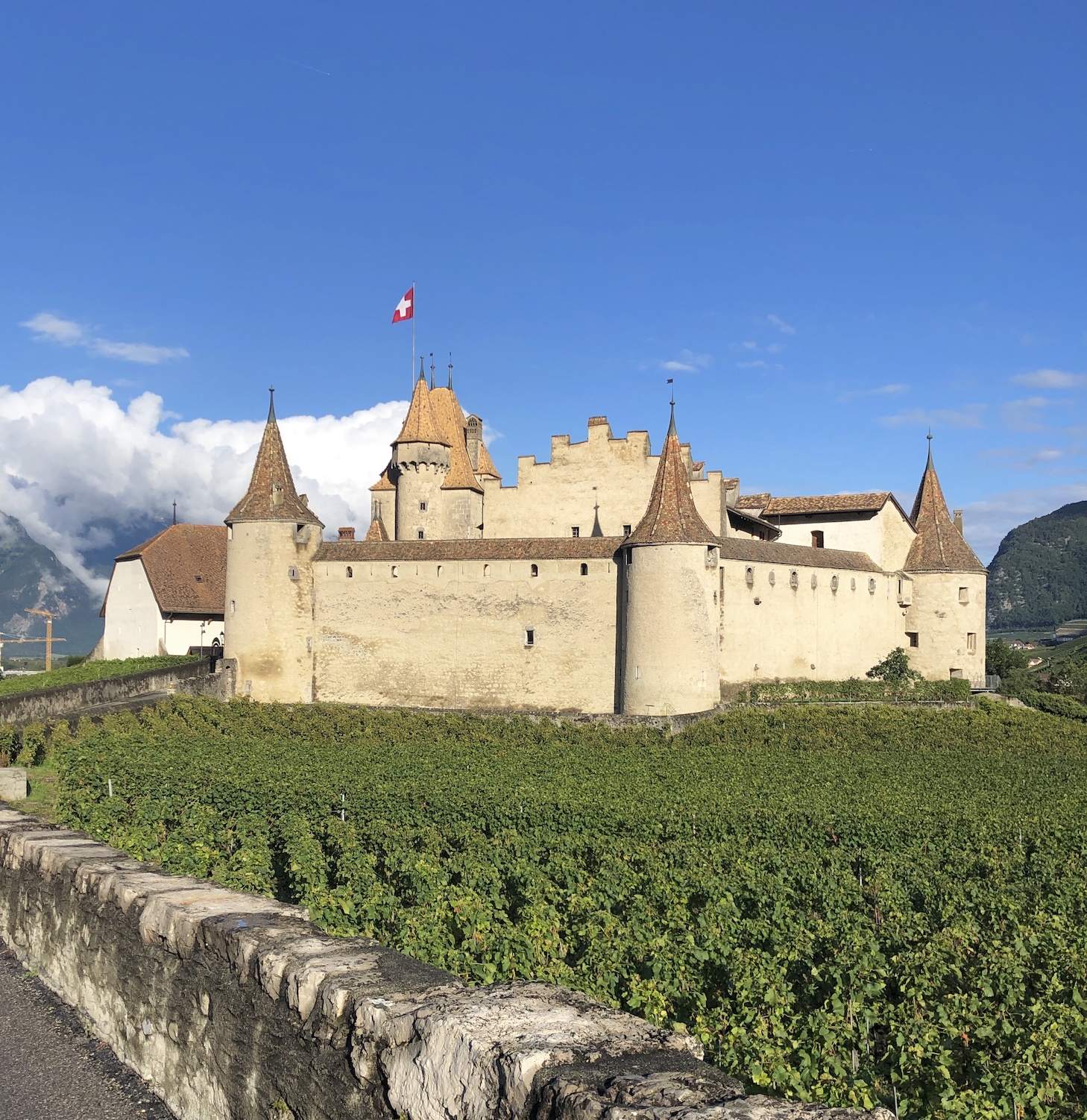
Setting off from Lausanne, the trail treats travellers to a sun-drenched trek through the steep, emerald-green stone terraces of the UNESCO-listed Lavaux vineyards, where panoramic views over Lake Geneva stretch across the water to the snow-capped French Alps. Moving past the Belle Époque promenades of Montreux and the medieval lakeside walls of Château de Chillon, the path leaves the shoreline at Villeneuve to enter the flat, dramatic floor of the Rhône Valley, flanked on both sides by soaring rock faces. Here, the landscape transitions into a corridor of history, leading past the striking medieval fortress of Château d’Aigle, the roaring Pissevache waterfall, and the fortress-guarded cliffs of Saint-Maurice. The true transformation begins at Martigny, where the flat valley gives way to the rugged, steep ascent of the Dranse Valley, guiding you through dense alpine pine forests, roaring gorges, and isolated stone-and-timber hamlets like Orsières and Bourg-Saint-Pierre. Finally, the trees completely vanish into a dramatic, windswept moonscape of grey shale and pristine alpine lakes, culminating at the 2,469-metre summit, where the ancient Great St Bernard Hospice stands as a lonely, stone sentinel guarding the border into Italy.
Historical Context
The walk from Lausanne to Grand-St-Bernard Pass covers the following 6 places where Archbishop stopped and rested: Stage 49 (XLIX), Petrecastel, today known as Bourg-St-Pierre. Stage 50 (L), Ursiores, today known as Orsières. Stage 51 (VI), Sce Maurici, today know as Saint-Maurice Maurice Stage 52 (LII), Burbulei, today known as Aigle. Stage 53 (LIII), Vivaec, today known as Vevey. Stage 54 (LIV), Lossana, today known as Lausanne.
Highlights
- Lavaux Vineyard Terraces: Walking through centuries-old, UNESCO-listed stone terraces that plunge steeply into Lake Geneva.
- Château de Chillon: Passing the iconic, water-bound medieval fortress that sits directly on the shores of the lake near Montreux.
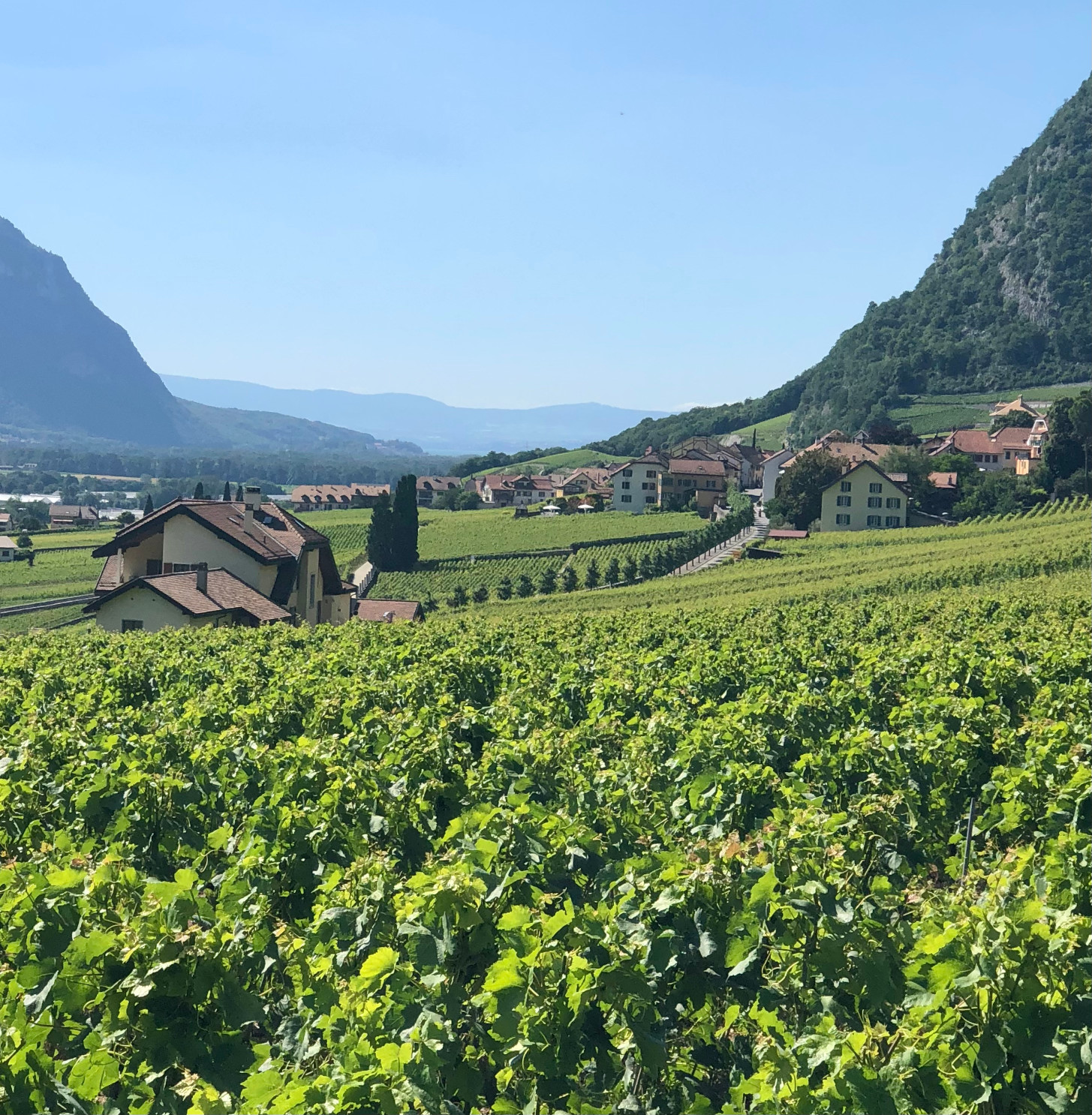
- Rhône Valley Passage: Trekking through a dramatic, flat valley floor flanked by towering cliff faces, passing historic gems like the castle in Aigle.
- Saint-Maurice Abbey: Encountering the ancient, cliffside town home to a continuous 1,500-year-old monastic community.
- Martigny Roman Ruins: Exploring the historic hub where the alpine climb begins, featuring a well-preserved Roman amphitheatre.
- Historic Alpine Hamlets: Winding through traditional stone-and-timber mountain villages like Sembrancher, Orsières, and Bourg-Saint-Pierre.
- The High Alpine Moonscape: Transitioning above the treeline into a windswept landscape of rugged gray peaks, stark shale fields, and icy glacial lakes. *Great St Bernard Hospice: Arriving at the nearly 1,000-year-old mountain refuge founded to shelter pilgrims at the 2,469-metre summit.
- St. Bernard Rescue Dogs: Visiting the spiritual birthplace of the famous alpine rescue breed, which has been bred by the monks at the pass since the 17th century.
Day-by-Day Itinerary
Day 1
Arrive at Lausanne
Day 1
No details are available.
Day 2
21.77 kmLausanne → Vevey
Day 2
Route Description
This walk is average in difficulty mostly around the foreshores of Lake Geneva (Lac Léman) visiting small towns, parks and beaches along the way. Then, there are several steep ascents into the UNESCO listed Lavaux vineyards. Highlights are the colourful vineyards, the Swiss architecture, and stunning panoramas of the French and Swiss Alps surrounding Lac Léman. There are plenty of cafes and places to rest along the way.
Day 3
25.09 kmVevey → Aigle
Day 3
Route Description
This walk is average in difficulty, mostly level with a steep ascent at the end. It continues around Lake Geneva and then through the Rhône Valley. Highlights are walking through Montreux and past Château de Chîlllon. At Villeneuve leave Lake Geneva behind and enter the Rhône Valley surrounded by towering Alps. Continue through small towns and vineyards enjoying views of the Swiss Alps. At Yvorne, towards the end, there is a steep ascent into the vineyards of Aigle with panoramic views of the Rhône valley and Alps. Then descend into Aigle where the highlight is Aigle Castle! Food and water need to be purchased at Villeneuve.
Day 4
17.65 kmAigle → St-Maurice
Day 4
Route Description
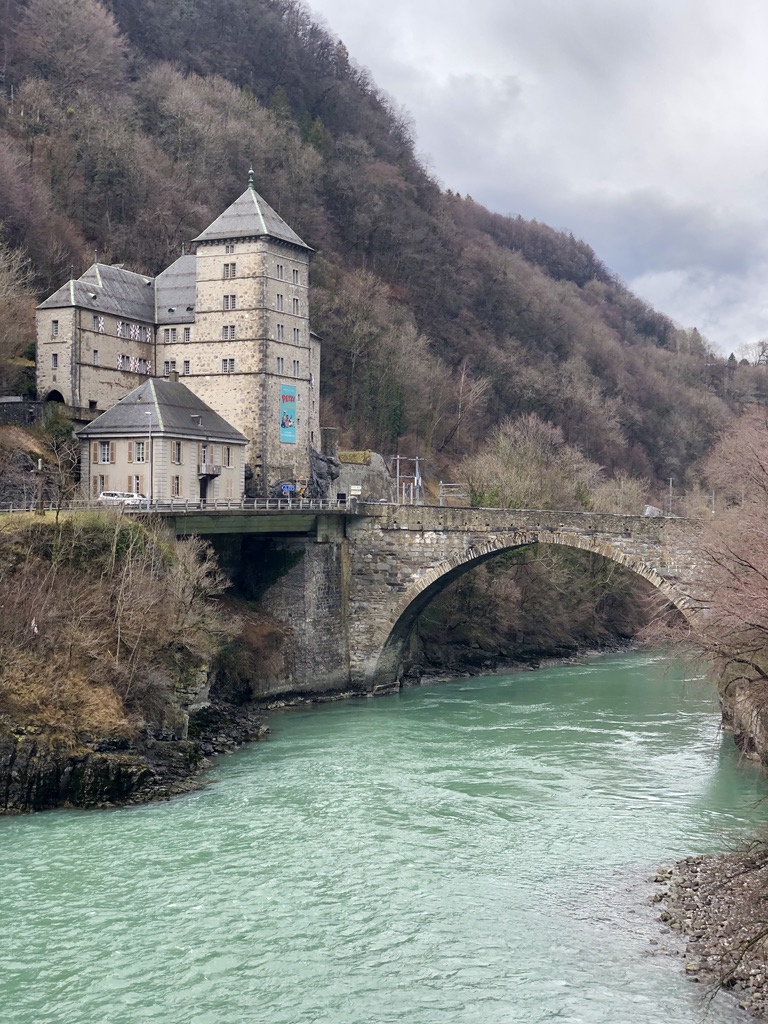
The walk begins at Aigle Castle, a 12th century fortress now a Wine Museum. Then it ascends into two alpine trails with panoramic views of the Rhône Valley and Dent du Midi Alps. Then it descends into the valley plain and continues through vineyards with historic stone walls and charming Swiss villages. Walking beside the Rhône River beside the Swiss Alps on the approach St-Maurice is a highlight. St-Maurice is famous for its 13th-century cliffside castle and its magnificent abbey, which stands as the oldest continuously active monastery in the Western world.
Day 5
17.05 kmSt-Maurice → Martigny
Day 5
Route Description
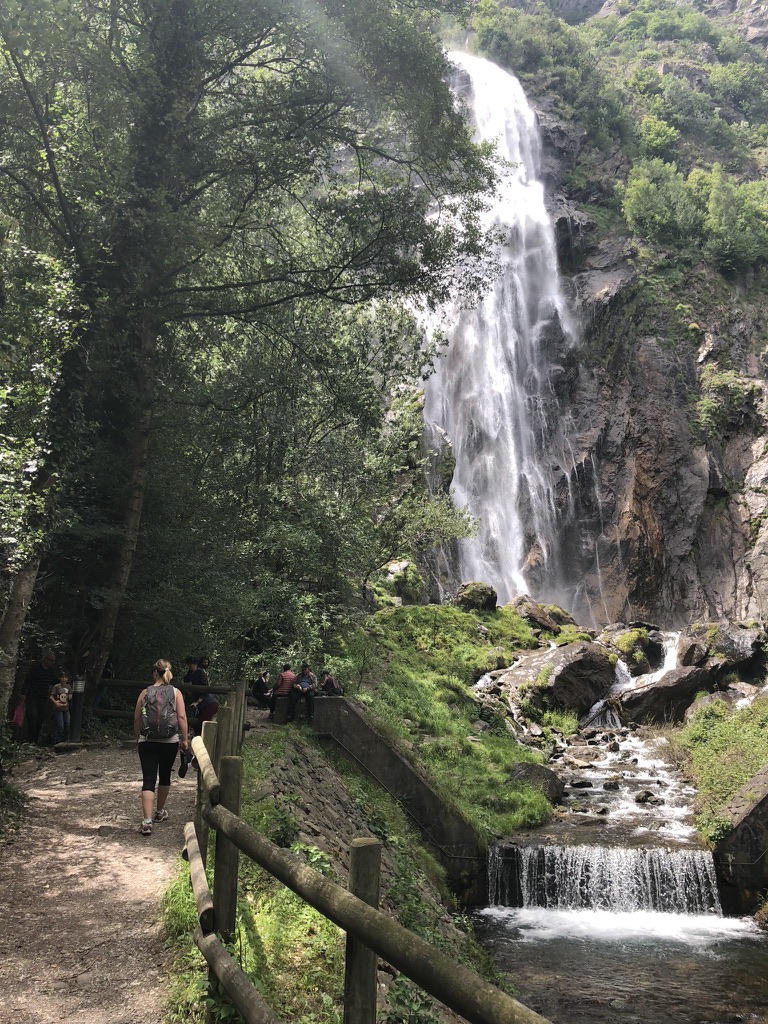
This is an easy, mostly level walk through the Rhône Valley against a backdrop of dramatic, towering Alps. Enjoy a visit to the Vêrolliez Chapel, the site of the martyrdom of Saint Maurice. The walking surfaces include well marked forest trails and minor roads through small Swiss villages. The Pissevache Waterfall tumbling down a 116 m cliff, is the highlight of the walk and a great place for a rest stop! Then continue walking past the entrance to Trient Gorge to Martigny. La Bâtiaz Castle stands guard over the vibrant, historic city!
Day 6
19.69 kmMartigny → Orsières
Day 6
Route Description
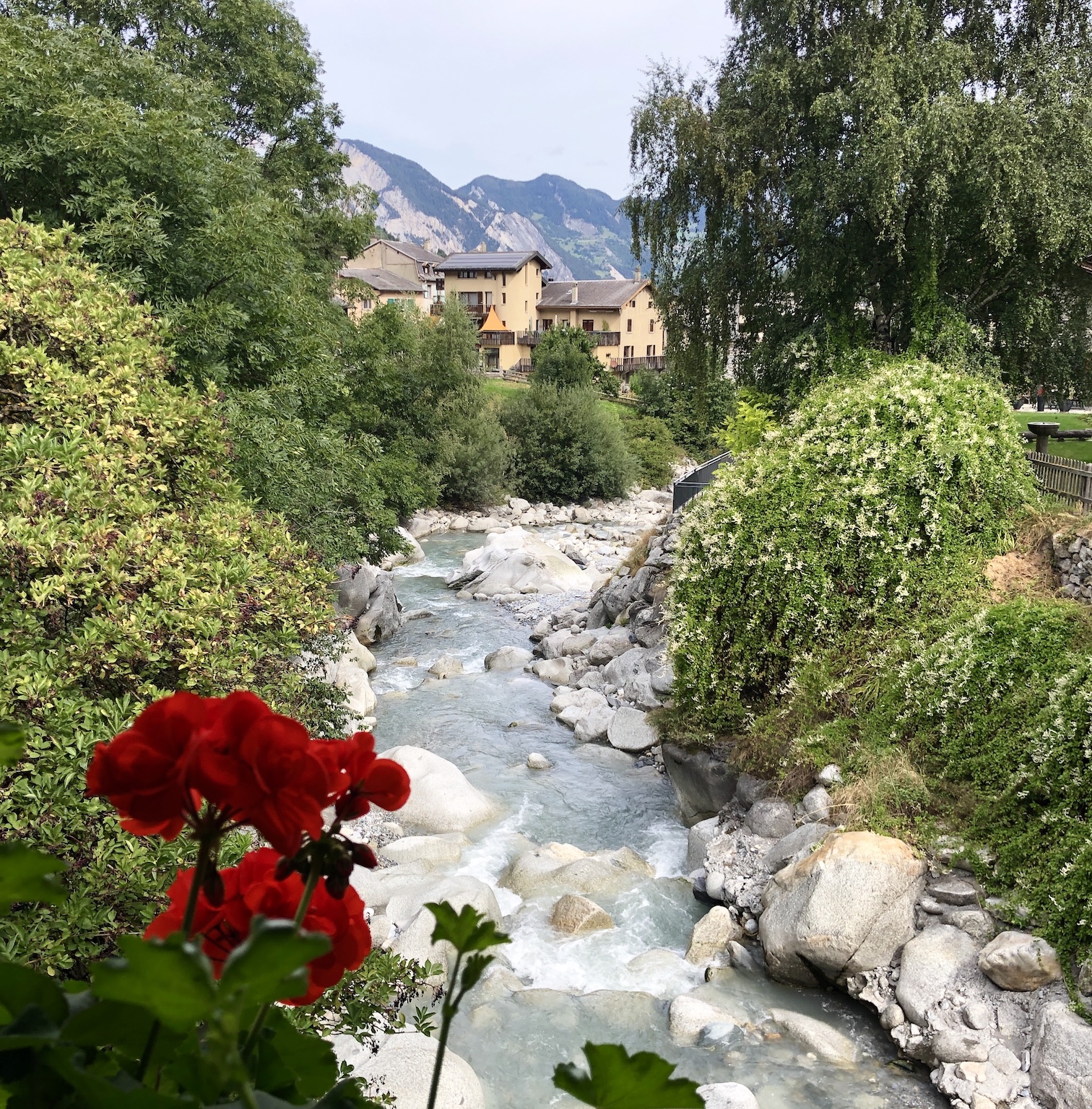
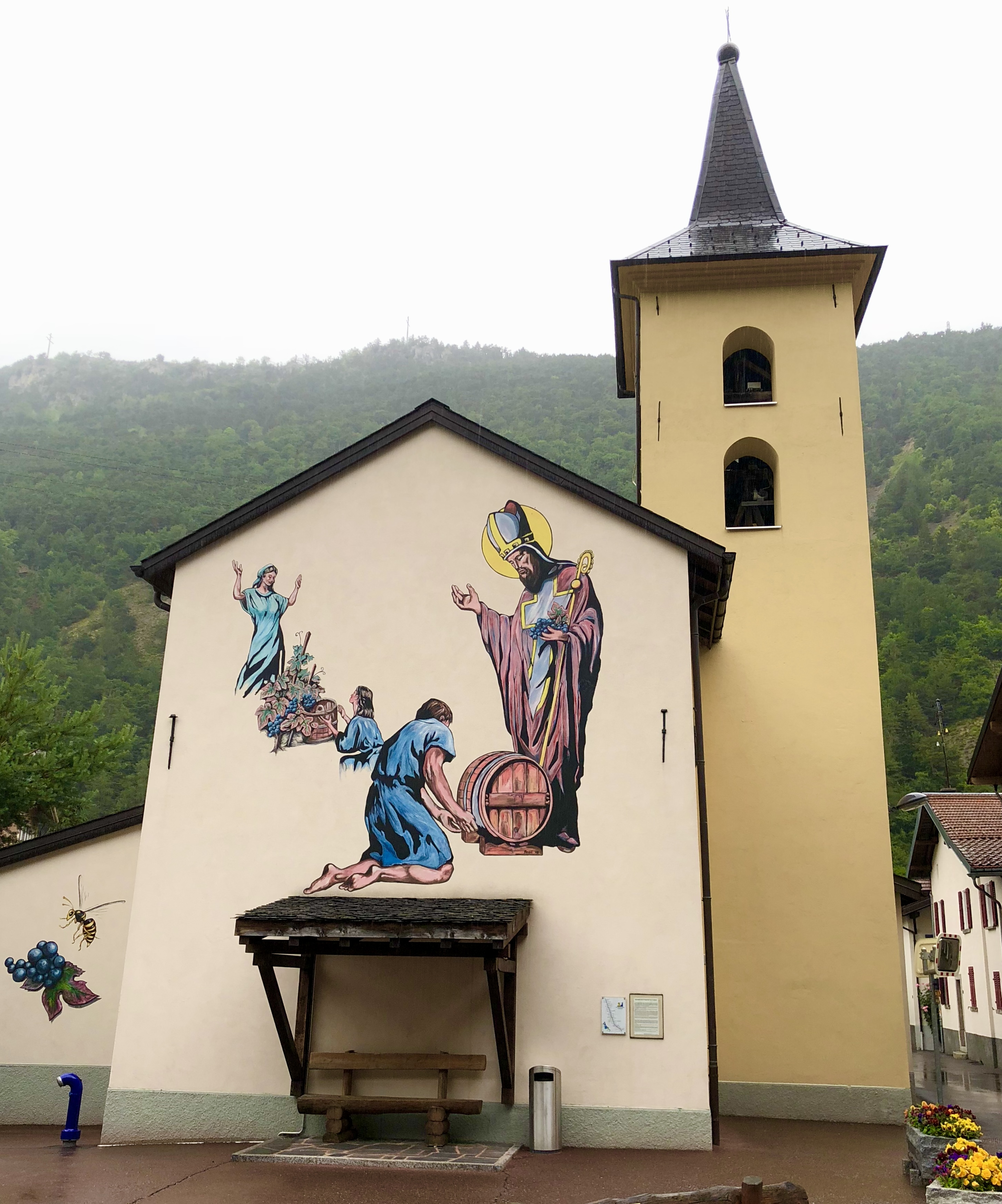
This walk begins the climb from the Rhône Valley into the Swiss Alps toward the Grand-St- Bernard Pass. There is an overall elevation gain of 750 m. Leaving Martigny it follows the Dranse river along forested mountain trails. Bovernier and Sembrancher are two medieval, historic towns along the way. There are spectacular views of the valley below and the Alps along alpine sections of ancient Roman roads and the Napoleon Trail. Orsières is a medieval town where the Church of Saint-Nicolas with its Crowned Bell Tower is one of its highlights.
Day 7
14.38 kmOrsières → Bourg-St-Pierre
Day 7
Route Description
This is a challenging walk due to the elevation gain from 900 m to 1633 m. But the spectacular alpine scenery is unsurpassed! The unsealed walking trails are well marked, signposted and maintained. It begins along the slopes of the Dranse d’Entremont river through shaded forests. Take a break at Liddes, a hillside village. Then continue along alpine trails that wind upwards amidst the thinning trees to Bourg-St-Pierre. In Sigeric’s day this was his 49th stopover, Petrecastel, and had a Hospice well before Grand-St-Bernard Pass. A highlight is its 11th century Bell Tower, one of the oldest in the Canton of Valais.
Day 8
11.64 kmBourg-St-Pierre → Grand-St-Bernard Pass
Day 8
Route Description
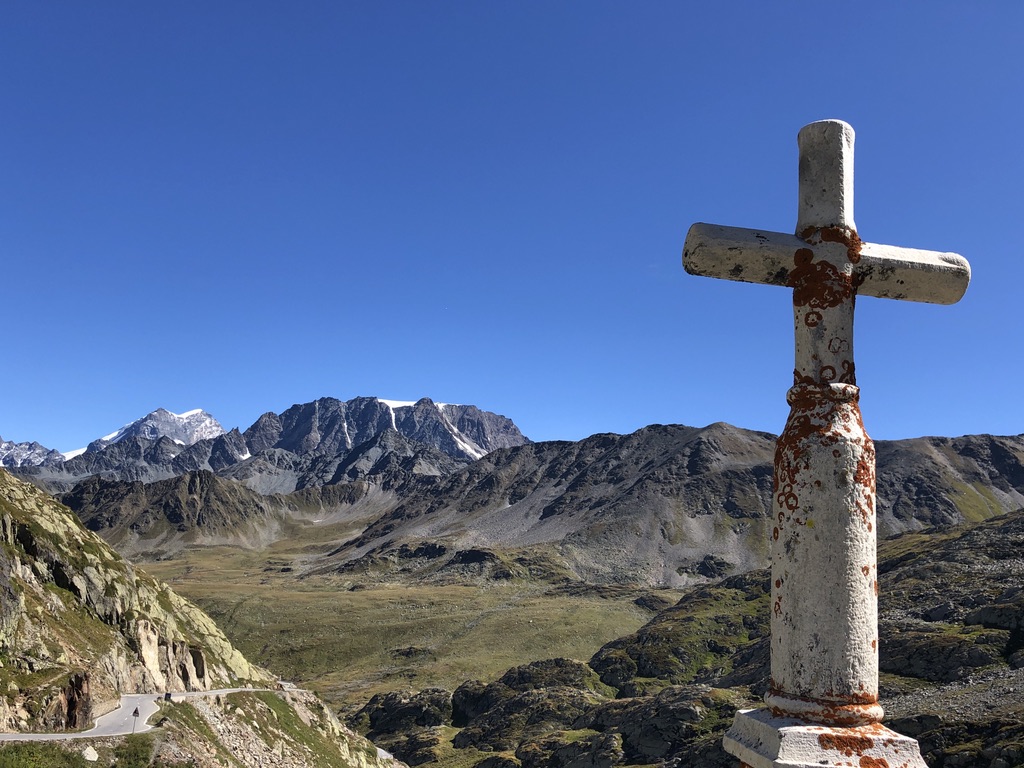
The walk from Bourg-St-Pierre to Grand-St-Bernard Pass is a very challenging walk due to the altitude increase from 1633 m to 2473 m (8114 ft). It continues along alpine trails that follow the Dranse d’Entremont river. The highlight is the spectacular alpine scenery and unique landscape of the High-Alpine Treeline. The landscape transforms rapidly into a raw, lunar-like environment of exposed granite crags, sweeping shale cliffs, and high alpine meadows. But nothing can compare to arriving at the Grand-St-Bernard Pass with its long history of pilgrimage hospitality.
Highlights
- High alpine landscape above the tree line
- Visit the Hospice with its Chapel and Museum
- Enjoy the Grand-St-Bernard dogs
- Walk around the Lake
- Visit the archaeological Roman ruins at the Plan de Jupiter
Day 9
Departure
Day 9
Tour ends after breakfast
Route Map
What's Included
Accommodation
- Accommodation located along the pilgrim route that understands and supports pilgrims’ needs.
- Types of accommodation include Hotels, B & Bs, Agriturismos and Castles.
- Rooms are high quality with ensuite bathrooms.
- Breakfast is included.
Luggage Transfers
- Luggage transfers by a private company with 3 bag weights available.
Route Information
- Guidebook with maps for each stage and information about places along the way.
- Personalised route information with hotel-to-hotel directions.
- Maps can be used as a both a pdf printed hard copy and as digital phone app navigation.
Not Included
- Food and drinks (unless otherwise specified)
- Any private expenses
- Admission fees
- Transfers to Lausanne and from GSB
- Travel insurance
Gallery
From
CHF1850
pp twin share low season
Enquire About This Tour
Fill in your details and one of our team will get back to you shortly.